

Extended cover
- Fire, smoke and water
- Theft after forced entry
- Storm and lightning strike
Car collection insurance brings several enthusiast cars together on one policy, with its own form of cover for each vehicle and a shared arrangement on storage and mileage.
This page in another language: Nederlands
Work out for yourself what it would cost.
Enter your details; you will receive a proposal within one working day.
A premium indication, not personal advice. Prefer to talk it through? Call 072 - 509 24 56.
As soon as you keep three or more cars, none of which is driven daily, insuring them separately becomes awkward: different renewal dates, different excesses, and a fresh argument about valuation every time. The collection policy solves that with one contract, one circle of drivers and one storage arrangement, while each object keeps its own agreed value.
The risk also shifts from the road to the storage. If the collection covers few miles between them, the chance of a collision is small, but if everything stands under one roof a single fire hits the whole collection at once. Insurers therefore look more closely at the storage location than at driving behaviour.
For a single car a collection policy is unnecessarily heavy. We then compare it with classic car insurance through Hienfeld or the premium classic car insurance through Turien & Co.
We compare your classic car insurance across dozens of insurers, explain where the real differences lie, and arrange the switch from start to finish — without you having to chase it yourself.
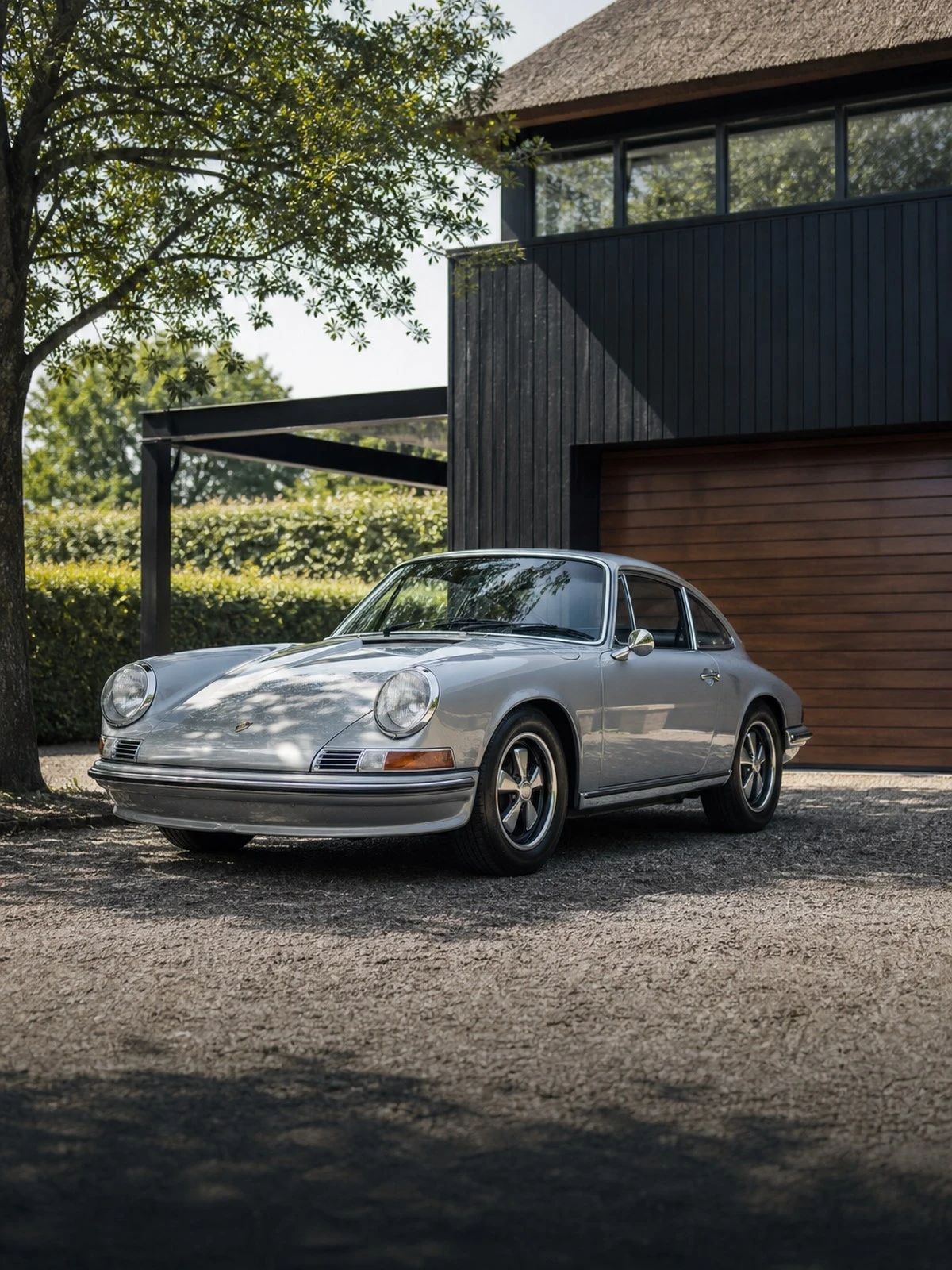 Classic car insurance
 Compare
 Get covered
The structure of the cover in three parts, with an overview per situation below.
The perils that are specifically named.
Also sudden damage from outside.
Items that exceed the sub-limits.
What is covered
| Situation | Extended | Comprehensive |
|---|---|---|
| Fire, smoke and water damage in the home | Yes | Yes |
| Theft after forced entry | Yes | Yes |
| Knocks and falls at home | No | Yes |
| Loss or theft away from home | Provided that | Provided that |
| Damage during transport, repair or exhibition | Provided that | Provided that |
| Wear, shrinkage, damp and insect damage | No | No |
A home contents policy has sub-limits: for jewellery, audiovisual equipment and collections a lower limit applies than for the rest of the contents. If your items exceed that, you insure them separately on a valuables policy, usually on the basis of a valuation (7:960 DCC). Underinsurance leads to a proportionately lower payout.
This overview is general in nature and is not personal advice. What is actually covered, including exclusions, limits and the excess, is set out in the policy conditions and the insurance card (verzekeringskaart) of the insurer; you receive both before you take out cover. Taking out cover without advice? Then read what execution only means for you.
Insurers weigh these details differently. That is where your saving is.
We look at the terms as well as the premium, and stay your point of contact when there is a claim.
We are not tied to one insurer and compare on the basis of an objective analysis of several companies.
You call or email someone who knows your file. No menu options, no changing call centres.
We cancel your old policy and align the start date, so you are never a day without cover.
We report the claim and monitor how it is handled. In urgent cases you can reach us on the emergency line.
Customers rate our service on four aspects: personal service, service delivery, availability and the outcome. The reviews are collected and published by NH1816 and come from customers who have actually taken out a policy with Finass Advies B.V. or reported a claim.
Four points that make the difference between a policy that pays out and one that does not.
The strength of the policy is that you can add and remove cars without a new contract. The trap lies in the timing: a car you buy today is insured only once it has been notified and appears on the policy schedule. A car you sell keeps costing premium until you take it off. Keep the collection list up to date and report every change in writing, including for cars bought temporarily.
Insurers set requirements for the space: locked, dry, no naked flames, often fire detection or a separate compartment. If reality differs from what you declared, it affects the cover on the whole collection at a stroke. What is generally not covered is damage caused by standing still itself: seized brakes, flat batteries, damp damage to upholstery and rodent damage to wiring.
There is nearly always a clause on use attached to the policy. Excluded are commuting, business transport, hire and use as a courtesy car, along with taking part in speed events and timed track sessions. If you exceed the mileage agreed for the collection, report it before the policy year ends. Afterwards a loss adjuster reads it off the odometer, and the payment is then open to question.
Each vehicle has its own agreed value. If a model rises in value or you complete a restoration, have it valued again: under Article 7:960 of the Dutch Civil Code you never receive more than your actual loss, and an out-of-date report leaves you carrying the difference. An incorrect declaration at the outset (about storage, drivers or previous claims) falls under Article 7:928 of the Dutch Civil Code.
On an agreed value Valuable or classic vehicles on an agreed value.
This is what people ask us most.
Yes. Article 2 of the Dutch Motor Insurance Liability Act (WAM) requires liability cover for every motor vehicle with a valid registration number, even if it stands still for months. If you want to lift that obligation for one object, you suspend the registration with the RDW (the Dutch vehicle authority). While the suspension runs you may not use the public road with it and cover for road use falls away.
Only once they have been notified. Some conditions include a short period of automatic cover for a newly acquired object, provided you declare it within an agreed period. That period is short and the burden of proof lies with you. We advise getting in touch as soon as you bid, so that the vehicle is on the policy on the day of delivery.
That depends on the driver clause. Many collection policies limit driving to the owner and their partner, sometimes with a minimum age. If someone drives who does not belong to the circle described, the third-party liability cover usually remains in place because the law requires it, but the own-damage claim can be refused.
A collection policy usually works not with the customary bonus-malus ladder but with a fixed premium per object based on value, use and storage. Your claims history does count as a factor in the assessment. If you also drive an everyday car, you keep the no-claims years there. You do not build them up with the collection.
Every situation is different. For these situations we have a separate page.
Request a quote without obligation. We will look at which insurer best matches your activities and your risk.
Prefer to call? 072 - 509 24 56, weekdays 09:00–17:00.
Claim on the road? Emergency line 06 - 55 20 40 72.
Finass Verzekert is a trading name of Finass Advies B.V. We advise on and arrange non-life insurance on the basis of an objective analysis of several insurers, and receive commission for this from the insurer, which is included in the premium. You pay no separate advice fee. Before you take out cover, we establish your wishes and needs.
You will find our licence, KvK and Kifid details and our complaints procedure at the foot of every page.
This page was compiled by Finass Verzekert (LinkedIn). Last updated on .
The information on this page is general in nature and is not personal advice.
Maandag- Vrijdag: 09:00- 17:00
We use cookies and similar technologies to improve your experience on our website.