

Buildings and owner's interest
- Rebuild value as the basis
- Kitchen, bathroom fittings and floors as owner's interest
- Clearance and decontamination costs limited separately
- Excess per event
Damage to a let property costs more than the repair alone. Landlord home insurance (huurwoningverzekering) covers the building, but also the costs that continue afterwards, and expressly leaves a number of items with you.
This page in another language: Nederlands · Deutsch
Work out for yourself what it would cost.
Enter your details; you will receive a proposal within one working day.
A premium indication, not personal advice. Prefer to talk it through? Call 072 - 509 24 56.
For a letting business a loss is rarely one bill. Alongside repairing the property a second bill runs on: the rent that falls away for as long as the home is uninhabitable, while financing costs, insurance and management costs simply continue. Clearance and decontamination costs come on top of that, and sometimes the cost of alternative accommodation you have to arrange under the contract. Landlord home insurance is designed to cover that chain, not just the bricks.
The first condition is that the property is declared as you use it. A a personal buildings policy does not cover letting. If you conceal the letting, you are in breach of the duty of disclosure under Article 7:928 of the Dutch Civil Code and the insurer can, under Article 7:930 of the Dutch Civil Code proportionately, or refuse it altogether. With a portfolio of several homes that plays out property by property: one address declared incorrectly can leave the loss at that address uninsured.
The third block of costs is liability. As the owner you are possessor of the building and under Article 6:174 of the Dutch Civil Code liable for damage caused by a defect in the building, even without any fault on your part. A claim from an injured resident or visitor falls outside the buildings policy. So also consider the additional costs insurance as an addition.
We compare your buildings insurance across dozens of insurers, explain where the real differences lie, and arrange the switch from start to finish — without you having to chase it yourself.
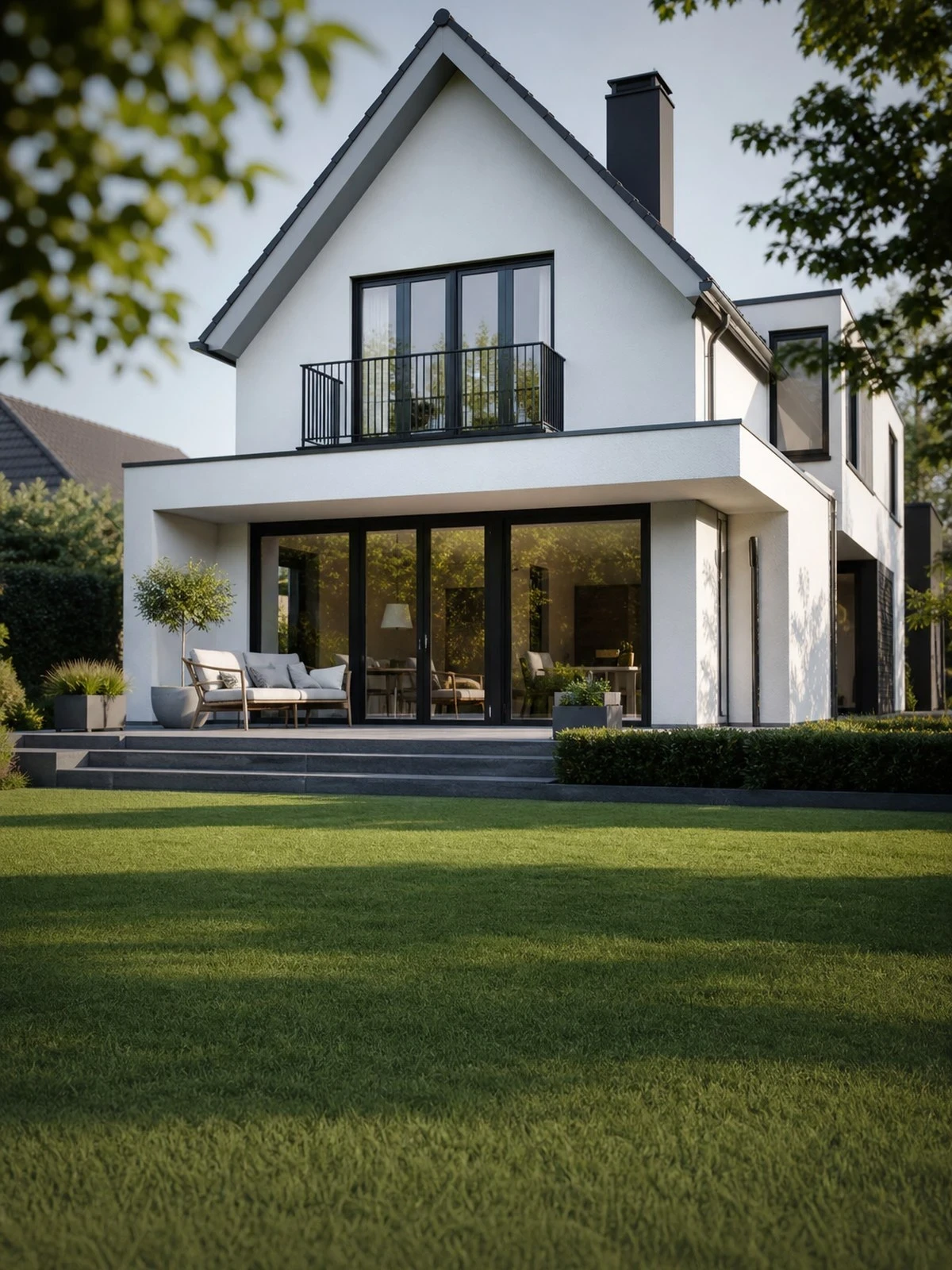 Buildings insurance
 Compare
 Get covered
The policy divides the costs after a loss into three blocks, each with its own limit.
Repairing the property and the fixtures you let with it.
The rental income that falls away for as long as the property stands empty after a covered loss.
Injury to people or damage to property caused by a defect in the let building.
What is covered
| Situation | Buildings policy | Additional |
|---|---|---|
| Repair of fire and storm damage to the property | Yes | No |
| Clearance and decontamination costs after a loss | Provided that | No |
| Rent lost during the repairs | Provided that | Yes |
| An injury claim caused by a defect in the building | No | Yes |
| Rent arrears and non-payment | No | No |
| Deferred maintenance and wear | No | No |
What is actually covered, including exclusions, limits and the excess, is set out in the policy conditions and the insurance card (verzekeringskaart) that you receive before you take out cover.
Insurers weigh these details differently. That is where your saving is.
We look at the terms as well as the premium, and stay your point of contact when there is a claim.
We are not tied to one insurer and compare on the basis of an objective analysis of several companies.
You call or email someone who knows your file. No menu options, no changing call centres.
We cancel your old policy and align the start date, so you are never a day without cover.
We report the claim and monitor how it is handled. In urgent cases you can reach us on the emergency line.
Customers rate our service on four aspects: personal service, service delivery, availability and the outcome. The reviews are collected and published by NH1816 and come from customers who have actually taken out a policy with Finass Advies B.V. or reported a claim.
Four items landlords underestimate, which determine what a loss costs you net.
The loss of rent cover pays the rent you miss because the property is uninhabitable after a covered loss. It runs for as long as the repairs take, up to the period and the amount set out in the policy. Two misunderstandings cost money. First: no covered cause of loss, no loss of rent. Second: rent arrears, non-payment and a void between two tenants do not fall under it. That remains a business risk, which you can cover if you wish with a rent guarantee or careful screening.
A property declared as an owner-occupied home but let out is not insured as it is used. The duty of disclosure under Article 7:928 of the Dutch Civil Code applies when the contract is entered into. If the use changes afterwards, the duty to report set out in your policy conditions applies. Under Article 7:930 of the Dutch Civil Code the insurer can reduce the payment proportionately or refuse it altogether. So report every change: letting by the room, a void, refurbishment, a business at home or a change in the type of tenant.
Between two tenants, during renovation or when the property is being sold, it stands empty. That is a a change in risk that you must report. The risk of squatting, copper theft, vandalism and freezing damage increases, and insurers respond with limited cover, a higher excess or requirements on supervision. Beyond the period named in the policy, cover can lapse. With a portfolio it pays to keep central track of voids and report them periodically.
A number of cost items remain for your account with every insurer. Not covered are, among other things, damage the tenant causes themselves, including vandalism by occupants, deferred maintenance, wear and design faults, and the consequences of cannabis cultivation or other illegal use of the property. Subsidence, vermin and mould also fall outside, as do intent and recklessness under Article 7:952 of the Dutch Civil Code. Count on the excess per event as well, which for property is higher than on private policies.
This is what people ask us most.
The building on the basis of rebuild value, including everything fixed to it, and depending on the form chosen fire, storm, water and burglary. You can also insure your owner's interest and loss of rent after a covered claim. Clearance and decontamination costs normally have their own limit. Liability for defects in the building is not included and you arrange that separately.
No. Loss of rent on a buildings policy only covers income that falls away because the property is uninhabitable after a covered loss. Non-payment, a tenant who leaves without notice or a home that proves hard to let do not fall under it. There are separate solutions for that, such as a rent guarantee or collection arrangements in the management contract.
You can do that with a collective or property portfolio policy. You declare all the addresses with the sum insured, the construction type and the use for each property. The advantages are one renewal date, one point of contact and often a better rate with a larger portfolio. The condition is that the information for each address stays up to date; report purchases, sales and voids in good time.
If the cause lies in a defect in the building, for example a loose handrail or a falling roof tile, the owner of the building is liable under Article 6:174 of the Dutch Civil Code. In principle that is you as the owner, even without fault. A personal liability insurance excludes letting; so arrange liability cover for owners of property.
Report the claim as soon as is reasonably possible; Article 7:941 DCC requires this. Then limit the damage where you can, for example by securing or shoring up the property, and keep evidence and invoices. Record the situation in photographs before anything is cleared away. Reporting late can prejudice the insurer and lead to a reduction in the payment.
Every situation is different. For these situations we have a separate page.
Request a quote without obligation. We will review the sums insured, the loss of rent cover and liability.
Prefer to call? 072 - 509 24 56, weekdays 09:00–17:00.
Claim on the road? Emergency line 06 - 55 20 40 72.
Finass Verzekert is a trading name of Finass Advies B.V. We advise on and arrange non-life insurance on the basis of an objective analysis of several insurers, and receive commission for this from the insurer, which is included in the premium. You pay no separate advice fee. Before you take out cover, we establish your wishes and needs.
You will find our licence, KvK and Kifid details and our complaints procedure at the foot of every page.
This page was compiled by Finass Verzekert (LinkedIn). Last updated on .
The information on this page is general in nature and is not personal advice.
Maandag- Vrijdag: 09:00- 17:00
We use cookies and similar technologies to improve your experience on our website.