

Vacancy does not simply increase risk — it changes the type, timing, and severity of the claims insurers expect to see
Because of that, empty home insurance is rarely a standard extension of a normal homeowners policy. It is usually a more specialized form of protection designed for properties awaiting sale, probate, renovation, or a new tenant.
How Do You Calculate an Accurate Cover Amount?
Setting the right cover amount starts with understanding that insurance should reflect the cost to rebuild, not the price the property might sell for on the market. Land value, neighborhood trends, and buyer demand can distort market price, while insurance focuses on materials, labor, demolition, debris removal, and compliance with current building standards after a loss.
For vacant property insurance, it is wise to review rebuilding costs carefully because older or neglected properties may require more specialist work if damaged. If the building has unusual features, nonstandard construction, or partial deterioration, a generic estimate may leave you underinsured.
Obtain a recent rebuilding valuation
Include demolition and site clearance costs
Allow for professional fees and code upgrades
Review any detached structures or boundary features
Empty home insurance should also reflect any planned works. If renovations are underway or materials are stored inside, the insurer may need a revised sum insured and updated underwriting requirements before binding or renewing cover.
Why Do Insurers Impose Stricter Vacant Property Terms?
Insurers apply tighter conditions to unoccupied buildings because the margin for unnoticed deterioration is much wider. In a lived-in home, someone typically spots a dripping pipe, a heating failure, or suspicious activity early. In a vacant building, those same issues can continue unchecked, increasing both claim size and the chance of repeat damage.
That is why policies often include stricter underwriting requirements, such as drain-down obligations, minimum security standards, heating conditions, inspection frequencies, and prompt reporting of any change in occupancy or building works. These terms are not arbitrary. They are practical controls aimed at reducing predictable loss patterns.
Insurers are not only pricing the building itself — they are pricing the likelihood that a problem will remain undiscovered
Many carriers also use tighter wording around vacant building exclusions because long periods of emptiness can alter the risk beyond what a standard household policy was designed to cover. Meeting policy conditions consistently can improve insurability, widen insurer choice, and support more favorable renewal discussions over time.
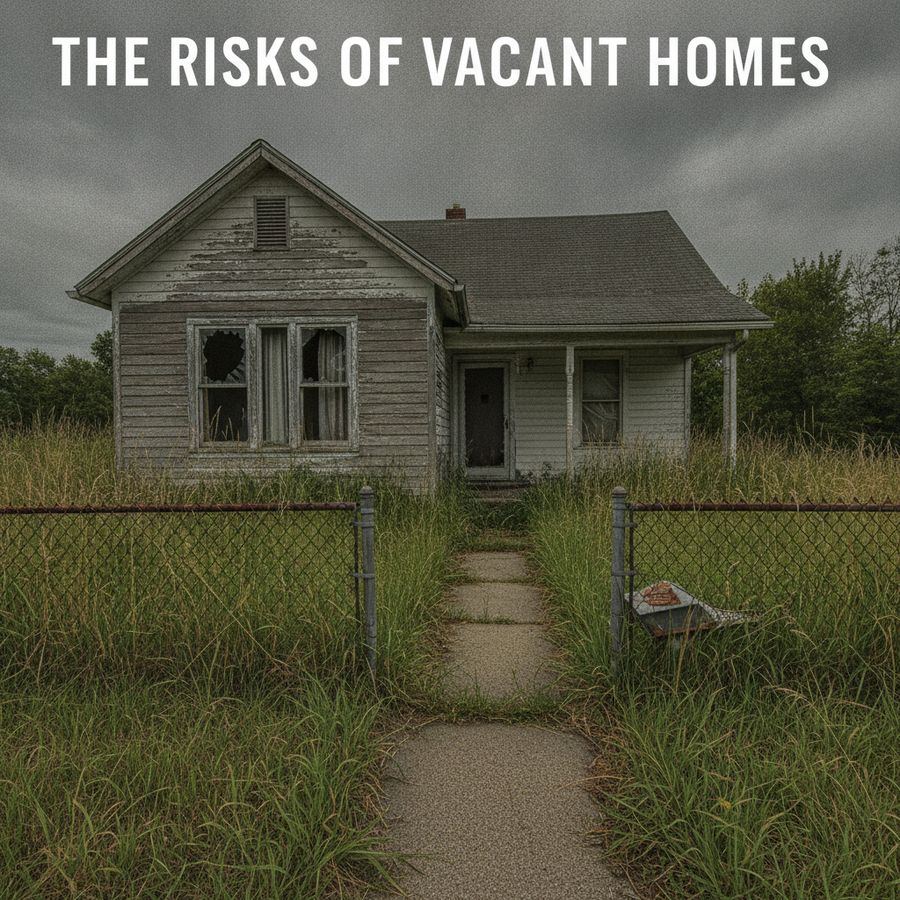
Fire, Water, and Vandalism Drive Major Claims
Three of the biggest claim drivers for unoccupied properties are fire, water damage, and vandalism. Fire losses can be especially severe in vacant structures because there may be delayed discovery, limited internal compartmentation, and no occupant to call emergency services immediately. Even a small ignition source can produce extensive structural damage before anyone notices.
Water claims are equally disruptive. Burst pipes, leaking tanks, failed roofing, or frozen systems can cause hidden saturation, mold, damaged plaster, and weakened floors. In many vacant property insurance claims, the water itself is only part of the cost; drying, strip-out, and reinstatement often push the total much higher.
Vandalism and malicious damage also feature heavily, especially where an empty home appears neglected or easily accessible. Criminals may target copper, lead, boilers, wiring, or doors, then leave the building exposed to weather and further loss.
Secure all access points
Maintain basic lighting where appropriate
Shut down or monitor vulnerable services
Respond quickly to signs of intrusion
These patterns explain why insurers focus so closely on controls, inspections, and realistic cover amount selection.
Regular Inspections Strengthen Insurability and Pricing
Routine inspections are one of the most effective ways to protect an empty property and demonstrate good risk management to insurers. A documented visit can reveal leaks, condensation, pest issues, forced entry, storm damage, or maintenance defects before they grow into larger claims. For many providers, regular inspections are a core part of their underwriting requirements.
The strongest inspection process is consistent rather than casual. Visits should follow a schedule, include both external and internal checks, and record the date, time, findings, and any action taken. Photographs can be especially useful when insurers review renewal terms or assess a claim.
Inspection records turn a general statement of care into evidence that the property was actively monitored
Well-managed properties may be viewed more favorably for empty home insurance because they present a lower chance of unnoticed damage and prolonged loss development. Inspections can also support pricing by showing that the building is secure, weather-tight, and maintained. In practice, a disciplined inspection routine helps preserve both the building and the competitiveness of your vacant property insurance options.
Which Exclusions Commonly Apply to Empty Homes?
Every policy differs, but owners should expect more limitations on unoccupied buildings than on standard home cover. Common vacant building exclusions may affect escape of water, theft, malicious damage, accidental damage, or liability events if policy conditions are not met. Some insurers reduce protection after a property has been empty for a set number of days, while others require a fully separate policy from day one.
Exclusions are often linked to risk controls. If the building was supposed to be drained down, heated, inspected, or fitted with approved locks and alarms, a failure to comply could restrict or void part of the cover. Renovation activity, squatter damage, or gradual deterioration may also sit outside standard terms.
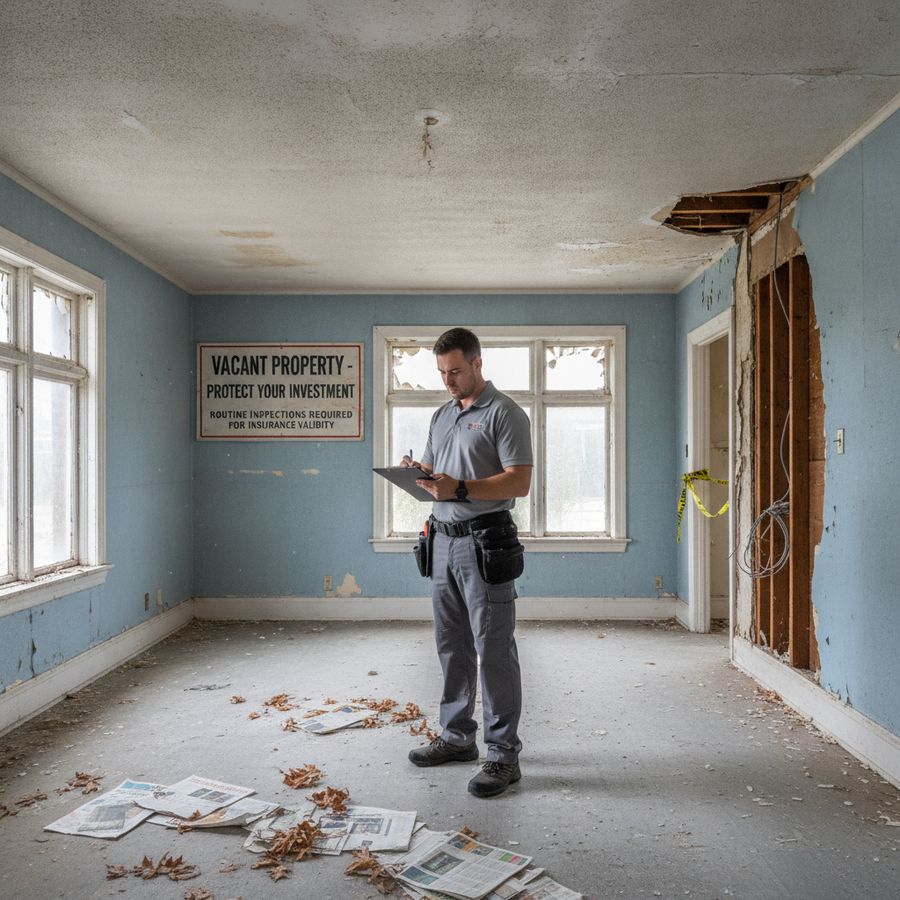
Damage caused by wear, neglect, or poor maintenance
Theft without signs of forced entry
Water losses after failing to isolate systems when required
Damage occurring during undisclosed building works
The key is to read the wording carefully and match the policy to the property’s real situation. The best cover amount will not help if major causes of loss fall within exclusions you did not anticipate.
Documentation Supports Faster Underwriting Decisions
Clear documentation can significantly enhance the process of arranging or renewing vacant property insurance. Underwriters require evidence that the property is understood, secured, and actively managed. When information is lacking, decision-making slows, referral questions multiply, and pricing may become more conservative as insurers fill gaps with assumptions.
Helpful documents typically include recent photographs, inspection logs, a rebuilding valuation, occupancy history, details of alarms and locks, utility status, and schedules of planned works. If the building has experienced previous claims or periods of disrepair, detailing remedial actions can also bolster the presentation.
Good documentation minimizes uncertainty, often resulting in swifter, more confident underwriting outcomes.
For owners seeking empty home insurance, organized records are invaluable after a claim. They can help establish timelines, demonstrate compliance with underwriting requirements, and confirm that the chosen cover amount was carefully considered. In essence, strong documentation enhances both placement efficiency and long-term insurability.
FAQs
What is the right way to calculate a cover amount for vacant property insurance?
Use the rebuilding cost of the structure, not the market sale price. A proper figure should include demolition, debris removal, professional fees, code upgrades, and any detached structures, especially if the property is older, unusual, or partly deteriorated.
Why do insurers impose stricter conditions on empty home insurance?
Insurers expect losses in vacant buildings to go unnoticed longer, which can make claims larger and more expensive. That is why policies often require regular inspections, minimum security, drain-down or heating rules, and prompt disclosure of renovations or occupancy changes.
What claims most commonly affect vacant buildings?
The biggest claim drivers are usually fire, water damage, and vandalism or theft of fixtures such as wiring, boilers, and metal. These losses often worsen because nobody is present to spot and stop the problem quickly.
What exclusions are common in vacant property insurance policies?
Common exclusions or restrictions may apply to escape of water, theft without forced entry, malicious damage, gradual deterioration, poor maintenance, and undisclosed building works. Cover can also be limited if policy conditions like inspections, locking, heating, or isolating systems are not followed.
How do inspection records help with underwriting and claims?
Inspection logs, photos, and maintenance notes show that the property was actively monitored and managed. This can support faster underwriting decisions, improve renewal discussions, and help prove compliance if a claim occurs.