

Higher risk does not always mean uninsurable — it usually means the insurer wants clearer facts, tighter conditions, and more accurate disclosure.
For let home insurance, expect questions about occupancy levels, furnishing, contract length, supervision, and whether the property is let through an agent or platform. Clear answers improve acceptance and reduce the chance of restrictive policy terms later.
Student Lets, Expats, and Short Stay Compared
These three rental models can look similar on paper, yet they create very different insurance profiles. Student housing insurance is often associated with shared facilities, frequent tenant turnover, and a greater chance of accidental damage. That does not make student tenants bad risks, but it does make the building itself more exposed to wear, fire hazards, and claims involving communal areas.
Expats are often seen more favourably when the tenancy is well documented and professionally managed. Many expat lets involve longer stays, employer-backed tenants, and better maintained furnishings. However, furnished homes, higher contents values, and overseas paperwork can still affect landlord insurance terms.
Short stay rental arrangements usually attract the most caution because occupancy changes rapidly and booking platforms can blur the line between standard letting and hospitality-style use.
Student lets: more shared use, more wear, more questions
Expat lets: often stable, but contents and contracts matter
Short stay: highest turnover and strictest insurer review
For let home insurance, the exact letting model matters more than landlords sometimes expect.
How Do Vacancy Periods Affect Acceptance?
Vacancy is one of the biggest pressure points in landlord insurance. A home that is empty for a short time between tenants may still fit within normal underwriting rules. Once a property stays unoccupied for longer, insurers worry about unnoticed leaks, burglary, vandalism, squatting, and small defects turning into expensive claims.
Acceptance often depends on how long the property is vacant, why it is empty, and whether someone is checking it regularly. A home awaiting renovation, probate, permits, or a new tenant may still be insurable, but the insurer may limit cover or increase the excess.
Vacancy does not just affect price — it can narrow what is covered and when a claim will be paid.
Landlords should check whether their policy includes vacancy cover and what conditions apply. Many policies require weekly inspections, drained water systems in winter, or proof that the property is securely locked.
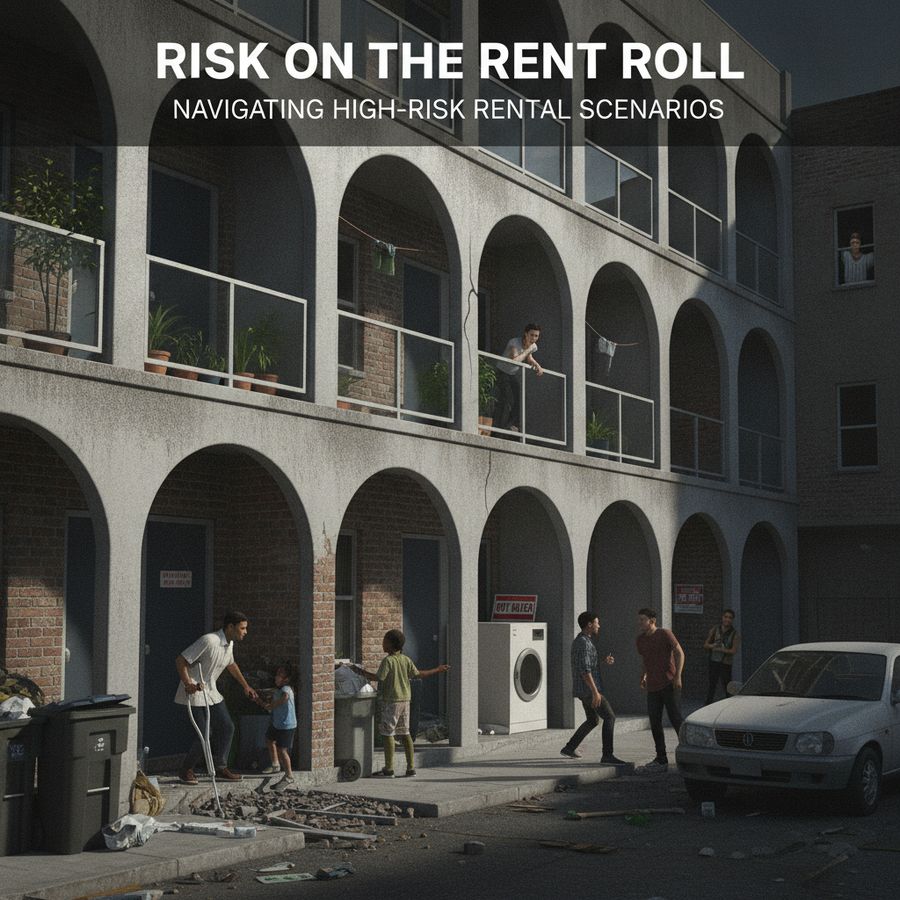
If vacancy is likely to continue, update your insurer promptly. Silence creates more claim problems than vacancy itself.
Permits, Smoke Detectors, and Shared Facilities Matter
Insurers pay close attention to compliance because simple oversights can multiply both the frequency and severity of claims. If a letting arrangement needs a licence, local permission, or approval from a building owners' association, that issue can influence whether let home insurance is offered at all. A property used outside the allowed rules may face stricter terms or outright refusal.
Smoke detectors are another major detail. In higher-risk rentals, underwriters often want confirmation that detectors are fitted in all required locations and are maintained properly. Shared kitchens, bathrooms, and hallways also increase risk because responsibility is split and fire or water damage can spread more easily.
Confirm whether the letting type needs a permit
Check detector placement and testing routines
Disclose shared facilities accurately
Record maximum occupancy per bedroom
For student housing insurance and room-rental properties, these details are especially important. Good disclosure shows the property is being managed responsibly, which can improve acceptance and help avoid disputes after a loss.
What Rebuild Value Should Landlords Declare?
The rebuild value is not the sale price, mortgage balance, or market value of the property. For landlord insurance, it is the amount needed to rebuild the structure from scratch after a total loss, including demolition, debris removal, professional fees, and construction costs. Declaring the wrong figure can create serious problems.
If the amount is too low, the property may be underinsured. That can reduce claim payments, even for partial losses. If it is too high, you may simply pay more premium than necessary. Either way, accuracy matters more for higher-risk lets because claim severity can be greater.
The correct rebuild value protects both claim settlement and premium fairness.
Landlords should use a professional valuation or a recognised rebuild calculator where available, then review it after renovations, extensions, loft conversions, or major upgrades. Do not forget outbuildings, fixed landlord fittings, and specialist features.
Strong let home insurance starts with a realistic declared value. It is one of the easiest risk details to get right, yet one of the costliest to ignore.
Policy Wording Decides Cover for Tenant-caused Loss
Many landlords believe that any damage caused by tenants will be automatically covered. However, the specifics of the policy wording dictate nearly everything. Certain types of accidental damage, fire, escape of water, or forced entry may be covered under landlord insurance, while issues like gradual deterioration, poor housekeeping, vermin, or intentional acts might be limited or excluded.
This is particularly crucial in student, shared, or short-stay rental scenarios, where the distinction between accidental damage and misuse can often be debated. One policy might cover malicious damage by tenants only if an endorsement is included, while another may exclude damage from occupants accepted under higher-risk arrangements.
Landlords should carefully review their policy wording for:
Malicious or intentional damage by tenants
Theft by tenants or guests
Loss of rent after insured damage
Trace and access for leaks
Exclusions related to poor maintenance or vacancy
Let home insurance is only as reliable as its definitions and exclusions. When risk is elevated, the schedule and conditions hold just as much importance as the premium.
FAQs
Which rental types usually trigger the most landlord insurance scrutiny?
Insurers usually examine student lets, room rentals, migrant worker housing, short-stay rentals, and holiday-style lets more closely because they often involve higher turnover, shared areas, and more intensive use of the property.
How does vacancy affect landlord insurance acceptance?
A short gap between tenants may be acceptable, but longer vacancy often leads to tighter conditions, limited cover, higher excesses, or special inspection requirements because of leak, vandalism, burglary, and unnoticed damage risks.
Why do permits, licenses, and smoke detectors matter so much to insurers?
Insurers use compliance as a sign of risk control. If a letting type requires a license or specific safety measures such as smoke detectors, missing them can lead to stricter terms, declined cover, or disputes when a claim is made.
What rebuild value should a landlord declare for insurance?
The declared rebuild value should reflect the full cost to reconstruct the property after a total loss, including demolition, debris removal, professional fees, and construction costs, rather than the sale price or mortgage balance.
Does landlord insurance automatically cover tenant-caused damage?
No. Cover depends on the policy wording. Some policies include accidental or malicious tenant damage only in certain situations or with endorsements, while gradual deterioration, poor housekeeping, and deliberate acts may be excluded.