

In high-risk liability cover, the small print usually starts with the small operational details you disclosed at the start.
This is why insurers often ask about work at height, excavation, offshore exposure, hazardous substances, and work on client premises. The clearer your answers, the easier it is to match cover to your business reality. For firms in complex trades, precision is not admin for its own sake; it is a practical step toward insurable, reliable protection.
Can Liability Cover Be Tailored to Your Work?
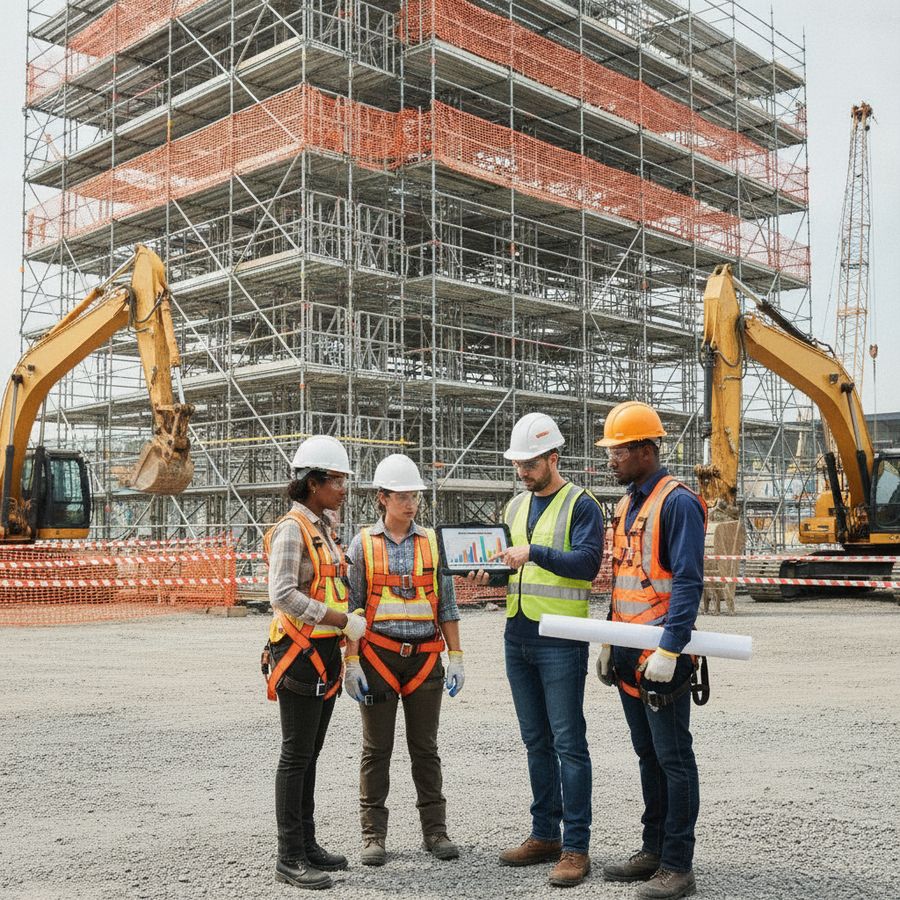
Yes, liability cover can often be tailored, but only within the appetite and conditions of the insurer. A standard policy may work for low-hazard office-based firms, while businesses involved in fabrication, contracting, demolition, petrochemical work, or specialist installation usually need a more carefully built solution. That can include higher insured limits, extensions for products, cover for temporary staff, or a structure that reflects contract work across multiple sites.
Tailoring starts with understanding the real exposures in your operation. A roofer, scaffold installer, welding contractor, and solar panel installer may all need business liability insurance, but not in the same form. Some need wider territorial cover, some need separate treatment of product risks, and others need strict conditions around hot works or subcontracted labour. The policy should also reflect whether your business designs, advises, manufactures, installs, or only executes.
Declared trade and specialist activities
Use of subcontractors and temporary labour
Contract value and client requirements
Work outside your home country
Need for higher indemnity limits
Tailored cover does not mean unlimited cover. It means the wording, endorsements, and limits are better aligned with the way your business actually operates. That alignment is what improves claim certainty.
Which Activities Raise Premiums Most Sharply?
Premiums tend to rise most sharply where the chance of severe injury, property damage, or expensive third-party disruption is highest. In high-risk operations, insurers especially focus on work that can cause catastrophic loss in a single incident. That includes hot works, roofing, lifting operations, excavation, work on underground cables and pipelines, structural alterations, and projects in petrochemical or offshore environments.
Claims severity matters just as much as claims frequency. A business that occasionally carries out welding in a controlled workshop may be viewed very differently from one performing torch work on client sites near combustible materials. Likewise, routine transport work is not the same as moving hazardous goods or operating heavy machinery around the public. The more difficult it is to control a loss once it starts, the more sharply the insurer may price the exposure.
Insurers do not only rate what you do often. They rate what could cause the biggest loss when it goes wrong once.
Activities that commonly drive premiums upward include:
Work at height or on roofs
Hot works such as welding, cutting, and grinding
Groundworks and excavation
Operations near utilities or load-bearing structures
Offshore, petrochemical, or rail-related tasks
Businesses can still remain insurable, but higher-risk work usually demands stronger controls, clearer declarations, and tighter policy conditions.
Subcontractors Products and Foreign Work Matter
Many liability claims do not come from your employees alone. They arise through subcontractor risk, supplied products, or work carried out abroad. That is why insurers routinely ask whether work is outsourced to self-employed trades, labour-only subcontractors, or specialist under-contractors. If those parties cause damage, disputes can follow over whose policy should respond and whether your own insurer expected that exposure to exist.
Products also change the risk profile significantly. Manufacturing, importing, assembling, or even simply supplying a product can trigger product liability exposures long after the job is complete. A defect may cause fire, injury, or property damage months later. For some businesses, that risk is more serious than the operational work itself. If product turnover is not declared correctly, cover can become narrower than expected.
Foreign work adds another layer. Insurers may accept occasional work in Europe but place tighter terms on operations outside that area. Work in the US or Canada is especially sensitive because legal costs, damages, and contractual exposures can be far higher. Some policies exclude those territories unless specifically agreed.
Good practice includes checking that subcontractors carry their own liability cover, keeping supplier records, and declaring overseas turnover accurately. These details shape both premium and claim response.
Certificates and Safety Systems Improve Insurability
Strong safety management does more than reduce accidents; it improves how underwriters view your business. For companies seeking business liability insurance in hazardous sectors, documented controls can help secure broader terms, better insurer appetite, and sometimes more competitive pricing. In other words, safety certificates are not just compliance tools. They are part of your insurability story.
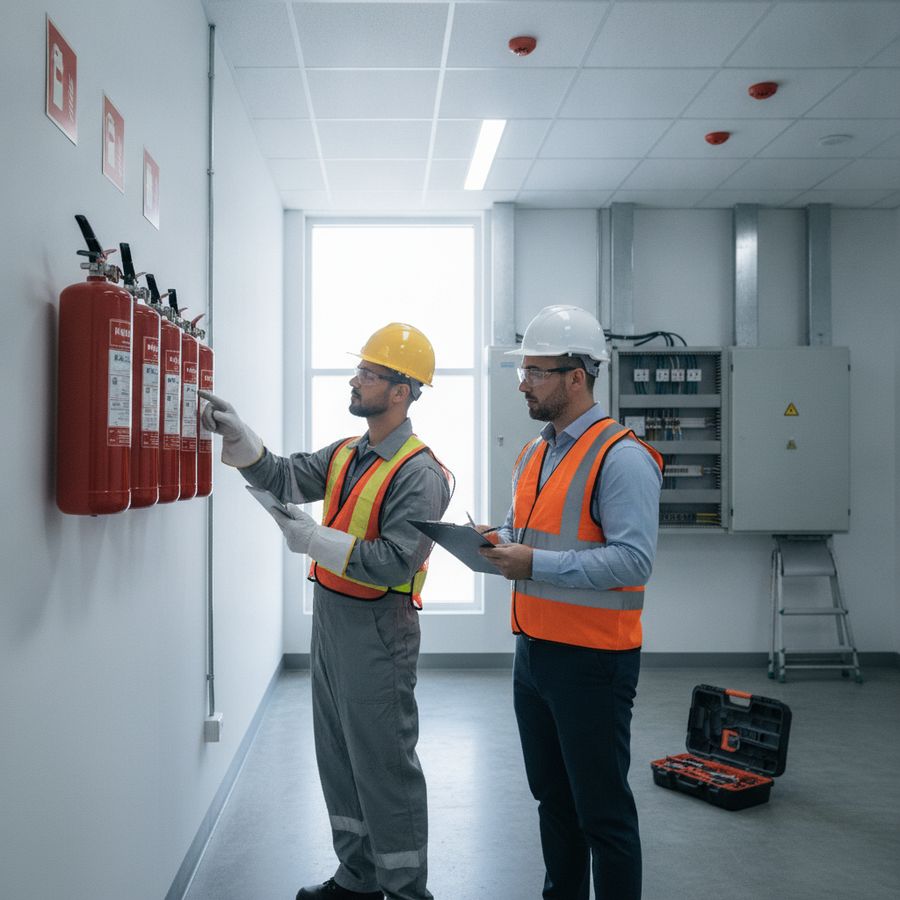
Insurers often look for evidence of structured risk control, such as VCA certification, ISO 9001, ISO 45001, trade recognition, permit systems, incident reporting, and formal training. They may also ask about alarm systems, fire detection, extinguishers, compartmentation, electrical inspections, and maintenance records. For high-risk businesses, these systems show that exposure is managed consistently rather than informally.
Well-documented safety systems tell insurers that risk is being controlled before a claim ever exists.
Practical features that can support underwriting include:
Hot work permits and fire watch procedures
Toolbox talks and refresher training
Inspection records for equipment and premises
Near-miss reporting and corrective action logs
Certificates for technical competence and site safety
While certificates never override policy wording, they can make a measurable difference when an insurer assesses a contractor, installer, transport operator, or manufacturer. Better evidence of control usually means a better chance of sustainable cover.
What Exclusions Catch Businesses Off Guard?
One of the biggest mistakes businesses make is assuming a liability policy covers every damage scenario linked to their operations. In reality, liability exclusions can be extensive, especially for firms with higher hazards. The most common surprises involve pollution, defective workmanship, gradual damage, contractual liabilities beyond normal legal liability, and claims connected to undeclared specialist activities.
Environmental exposure is a classic example. A liability policy may cover injury or property damage to third parties, yet exclude or severely limit the cost of cleaning up contamination on your own site. That distinction matters because the largest bill is not always the third-party claim. It can be investigation, remediation, and associated clean-up costs that sit outside standard liability cover altogether.
Other exclusions that regularly catch firms off guard include damage to property being worked on, product recall costs, pure financial loss without physical damage, and claims arising from intentional breaches of safety rules. Some policies also restrict cover for offshore work, work in excluded territories, or injury to labour supplied under certain arrangements.
Most coverage disputes are not about whether a loss happened, but about whether the policy was ever designed to pick up that type of loss.
The safest approach is to review exclusions against real contracts, real jobs, and real incident scenarios before renewal, not after a claim arrives.
Declared Activities Must Match Daily Practice
For businesses involved in high-risk operations, the description of activities on the insurance proposal must remain accurate over time. It is not enough to answer underwriting questions once and then let the business evolve without updating the insurer. If your company begins taking on hotter, higher, deeper, or more technical work than originally declared, the gap between paperwork and reality can become a serious claims problem.
This matters because underwriters price and accept risk based on the activities you state. If you originally insured straightforward maintenance work but now carry out demolition, structural penetrations, cable trenching, or offshore assignments, the insurer may say the exposure was materially different from what they agreed to cover. The issue becomes even more sensitive when the undeclared activity is exactly what caused the loss.
To keep cover dependable, review your policy whenever your business changes:
New services or specialist tasks
New territories or project types
Greater use of subcontractors
Product supply or import activity
Higher-risk client sectors
Accurate declarations protect both sides. They enable insurers to assess risk fairly and ensure your business can rely on the policy when issues arise. In liability insurance, daily operations should consistently reflect the declared practices. For more information, visit Finass Verzekert.
FAQs
Why do insurers need detailed descriptions of high-risk work?
Insurers use operational detail to assess the true liability exposure of a business. Broad labels such as installation or contracting are often insufficient because hot works, excavation, lifting, offshore tasks, or work near utilities can create very different claim risks and policy conditions.
Can business liability insurance be tailored for hazardous trades?
Yes, but only within the insurer's underwriting appetite and terms. Cover can often be adapted through endorsements, higher indemnity limits, product liability extensions, subcontractor treatment, and territorial adjustments so the policy better reflects the business's actual operations.
Which activities usually increase liability insurance premiums the most?
Premiums usually rise fastest for work with high severity potential, including hot works, roofing, work at height, excavation, structural alterations, operations near underground services, and offshore or petrochemical work. Insurers focus especially on exposures that could cause a catastrophic loss from a single incident.
How do subcontractors, products, and overseas work affect liability cover?
Subcontractors can create uncertainty over whose insurance responds to a loss, while supplied or manufactured products can trigger claims long after completion. Overseas work, especially in the U.S. or Canada, may require specific agreement because legal costs and damages can be significantly higher.
What exclusions commonly catch high-risk businesses off guard?
Common surprises include pollution and clean-up costs, damage to property being worked on, defective workmanship, gradual damage, product recall expenses, pure financial loss, and liabilities arising from undeclared specialist activities or excluded territories. Businesses should review exclusions against real contracts and job scenarios before renewal.