

De Vereende's buildings insurance (opstalverzekering)
De Vereende focuses on risks that are hard to place elsewhere. Finass uses that cover when a property falls outside normal underwriting because of vacancy, use or insurance history.
- Several insurers compared objectively
- 9.5 customer rating for a new policy
- AFM licence 12016589
- Personal 072 - 509 24 56, weekdays 9–17
This page in another language: Nederlands
Work out for yourself what it would cost.
Enter your details; you will receive a proposal within one working day.
- We compare the offerings of several insurers
- An adviser checks whether the cover suits your situation
- We arrange the switch, including cancellation
A premium indication, not personal advice. Prefer to talk it through? Call 072 - 509 24 56.
- Independent advice
- Several insurers
- Switching arranged
- Help with claims
In brief
We compare several insurers and always start with the regular market: it is usually wider in cover and more favourable in rate. If a property cannot be placed there, De Vereende is one of the parties we then look at. This concerns properties that fall outside standard underwriting for a specific reason: a long vacancy, a property awaiting demolition or redevelopment, an unusual designated use, a claims history or an earlier cancellation by another insurer.
With such a placement, expect a different policy structure. Instead of extended cover, the cover is often limited to a short list of events, with a higher excess and with clauses imposing obligations on you: disconnecting the gas, water and electricity, periodic inspection, protection against squatting, or removing flammable material from around the property. If those are not complied with, the damage is not covered, however clear-cut the cause may otherwise be.
State your full insurance historyon the application. An earlier cancellation, refusal or termination must be reported. The duty of disclosure follows from Article 7:928 of the Dutch Civil Code and the consequences of an incorrect declaration under Article 7:930 of the Dutch Civil Code. In this segment, concealment is the most common reason for a claim failing after the event. For empty commercial premises: insurance for empty premises.
This page deals with one situation. The full overview is on Compare buildings insurance (opstalverzekering).
Independent, personal, sorted quickly
We compare your buildings insurance across dozens of insurers, explain where the real differences lie, and arrange the switch from start to finish — without you having to chase it yourself.
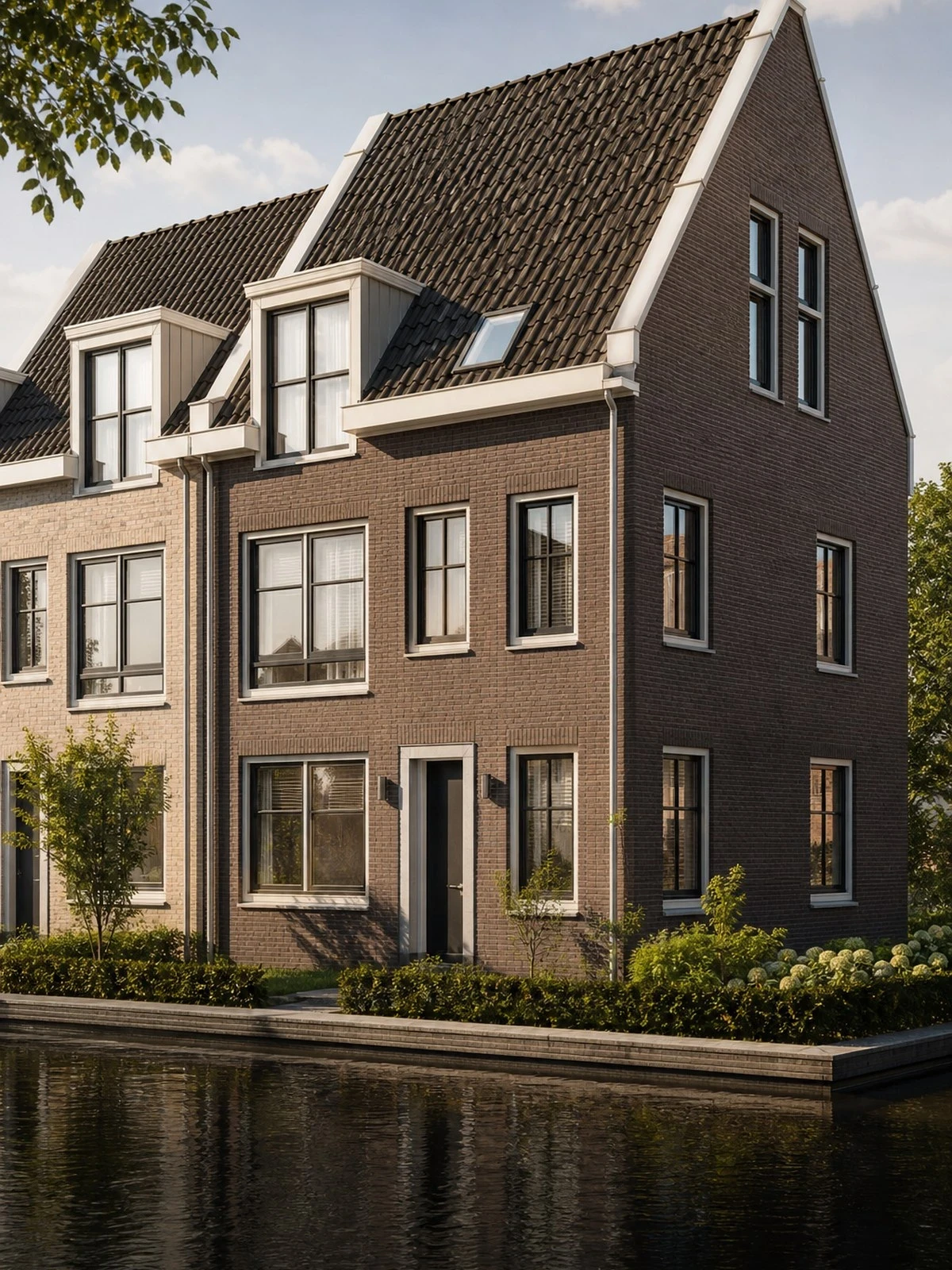 Buildings insurance
 Compare
 Get covered
Why arrange it through Finass Verzekert?
We look at the terms as well as the premium, and stay your point of contact when there is a claim.
Independent
We are not tied to one insurer and compare on the basis of an objective analysis of several companies.
One fixed adviser
You call or email someone who knows your file. No menu options, no changing call centres.
Switching without hassle
We cancel your old policy and align the start date, so you are never a day without cover.
Help with claims
We report the claim and monitor how it is handled. In urgent cases you can reach us on the emergency line.
What to look out for
Four points that are decisive with an unusual risk.
The vacancy clause
As soon as a property is no longer occupied, the cover narrows. Usually only a limited list remains, with vandalism, damage from squatting and water damage discovered late outside the cover. Time limits and inspection obligations apply; see also buildings insurance for an unoccupied home.
Prevention requirements are conditions of cover
A clause about locks and fittings, an alarm system or disconnecting the utilities is not advice but a condition. If after a claim you cannot show that you complied with it, that is a ground for refusal in its own right. So record maintenance, inspections and key management in writing.
Illegal or changed use
If the property is used for something other than what was declared, the basis of the policy falls away. With cannabis cultivation, illegal subletting or the storage of hazardous substances there is no cover, even where you knew nothing about it and the tenant was responsible. Check who is in the property and record it in the tenancy agreement.
The standard exclusions still apply
Here too, damage to foundations and from settlement, gradual exposure to damp, poor maintenance, vermin, earthquake and flooding from primary flood defences are excluded. Damage caused deliberately or recklessly falls under Article 7:952 of the Dutch Civil Code never covered.
What does your premium depend on?
- Reason for the special placement: vacancy, use, claims history or an earlier cancellation
- Length of the vacancy: and whether new use is in prospect
- Type of cover chosen: a limited list of events or extended cover
- Level of prevention: security, inspection and disconnection of utilities
- Location and surroundings: risk of squatting, vandalism and arson
- Excess: in this segment usually higher than in the regular market
Insurers weigh these details differently. That is where your saving is.
What is covered
| Situation | Occupied | Unoccupied |
|---|---|---|
| Lightning damages the chimney and the roof tiles around it | Yes | Yes |
| A storm lifts a row of tiles off the roof | Yes | Yes |
| Burglars smash in the back door | Yes | No |
| Youngsters break the windows and daub the front elevation | Yes | No |
| A burst pipe leaks for weeks before anyone notices | Yes | No |
| The floor tilts because the timber piles under the foundations have decayed | No | No |
A home that is temporarily unoccupied, for example during building work or after a death, also falls in the right-hand column.
Frequently asked questions
This is what people ask us most.
When does this route come into play?
Only once the regular market will not accept the property. We apply to ordinary providers first, because they have wider conditions and lower rates. If the property turns out not to be placeable because of vacancy, designated use, claims history or an earlier cancellation, we look for a provider set up for unusual risks and explain the restrictions that go with it.
Do I have to disclose an earlier cancellation?
Yes. The application asks about your insurance history, including earlier refusals, cancellations and claims. Article 7:928 of the Dutch Civil Code requires you to answer those questions truthfully. If it emerges afterwards that you concealed something relevant to the underwriting, the insurer can reduce or refuse the payout under Article 7:930 DCC.
Does the cover stay restricted for as long as the property is empty?
As a rule yes. Once the property is permanently lived in or worked in again, the cover can be widened, but that does not happen by itself: it has to be reported and the insurer amends the policy. If no report is made, the insurer handles the claim under the vacancy clause still on the policy schedule at that moment.
Can I move back to a mainstream insurer later?
Once the reason for the special placement has been removed, that is often possible. Think of a property that is occupied again, a completed renovation or a number of no-claims years. We review this periodically, because a regular policy usually covers more widely and has fewer clauses than a solution for an unusual risk.
Every situation is different. For these situations we have a separate page.
- Compare buildings insurance (opstalverzekering)The main page
- Buildings insurance (opstalverzekering) for an unoccupied homeVacancy, change in the risk, limited cover
- Insurance for a home left behind through OOMUnoccupied, supervision, posting abroad
- Comparing buildings insurance (opstalverzekering) on more than a test scoreTest score, conditions, your property
- Buildings insurance (opstalverzekering) for unoccupied premisesLimited cover, reporting, supervision
- Taking out buildings insurance (opstalverzekering) for your VvEValuation, index, increase in risk
- Buildings insurance for businesses through De VereendeRefusal, limited cover, clauses
- Insuring business contents and trading stock through De VereendeHard-to-place risk, warranty clauses, survey
- Car insurance through De VereendeHard-to-place risk, third-party liability cover, duty of disclosure