

Environmental liability for work at third-party sites through Chubb
Groundworkers, installers and tank cleaners cause contamination on other people's land. What then counts is not only what you did, but also whether your excavation notification was in order.
- Several insurers compared objectively
- 9.5 customer rating for a new policy
- AFM licence 12016589
- Personal 072 - 509 24 56, weekdays 9–17
This page in another language: Nederlands
Work out for yourself what it would cost.
Enter your details; you will receive a proposal within one working day.
- We compare the offerings of several insurers
- An adviser checks whether the cover suits your activities
- We arrange the switch, including cancellation
A premium indication, not personal advice. Prefer to talk it through? Call 072 - 509 24 56.
- Independent advice
- Several insurers
- Switching arranged
- Help with claims
In brief
If you dig, drill, demolish or clean tanks at a client's premises, you can cause in a single afternoon a contamination that takes months of work to clear up. The classics: drilling into an underground tank or pipe so that oil runs into the soil, drilling through a separating layer so that an existing contamination spreads to the deep groundwater, spilling while refuelling on a client's yard, or refrigerant escaping while an installation is dismantled.
The loss here is almost always a third party's loss, and therefore liability. Even so, it often founders on the policy. An ordinary public and employers' liability insurance largely excludes environmental damage, and for the object you are working on the care, custody and control exclusionalso applies. Work at third-party sites is therefore a separate section on an environmental policy, with its own description of the insured activities. If drilling does not appear in that description, drilling is not insured.
If you use subcontractors, liability follows through. For your own staff Article 6:170 of the Dutch Civil Codeapplies, and the client can approach you under Article 6:171 of the Dutch Civil Code for the mistakes of non-subordinates carrying out your business activities. So arrange either for subcontractors to be included under your policy or for them to have demonstrable environmental cover of their own. For damage to the works themselves, look at the Construction all risks (CAR) insurance.
This page deals with one situation. The full overview is on Compare personal liability insurance (AVP).
Independent, personal, sorted quickly
We compare your environmental damage insurance across dozens of insurers, explain where the real differences lie, and arrange the switch from start to finish — without you having to chase it yourself.
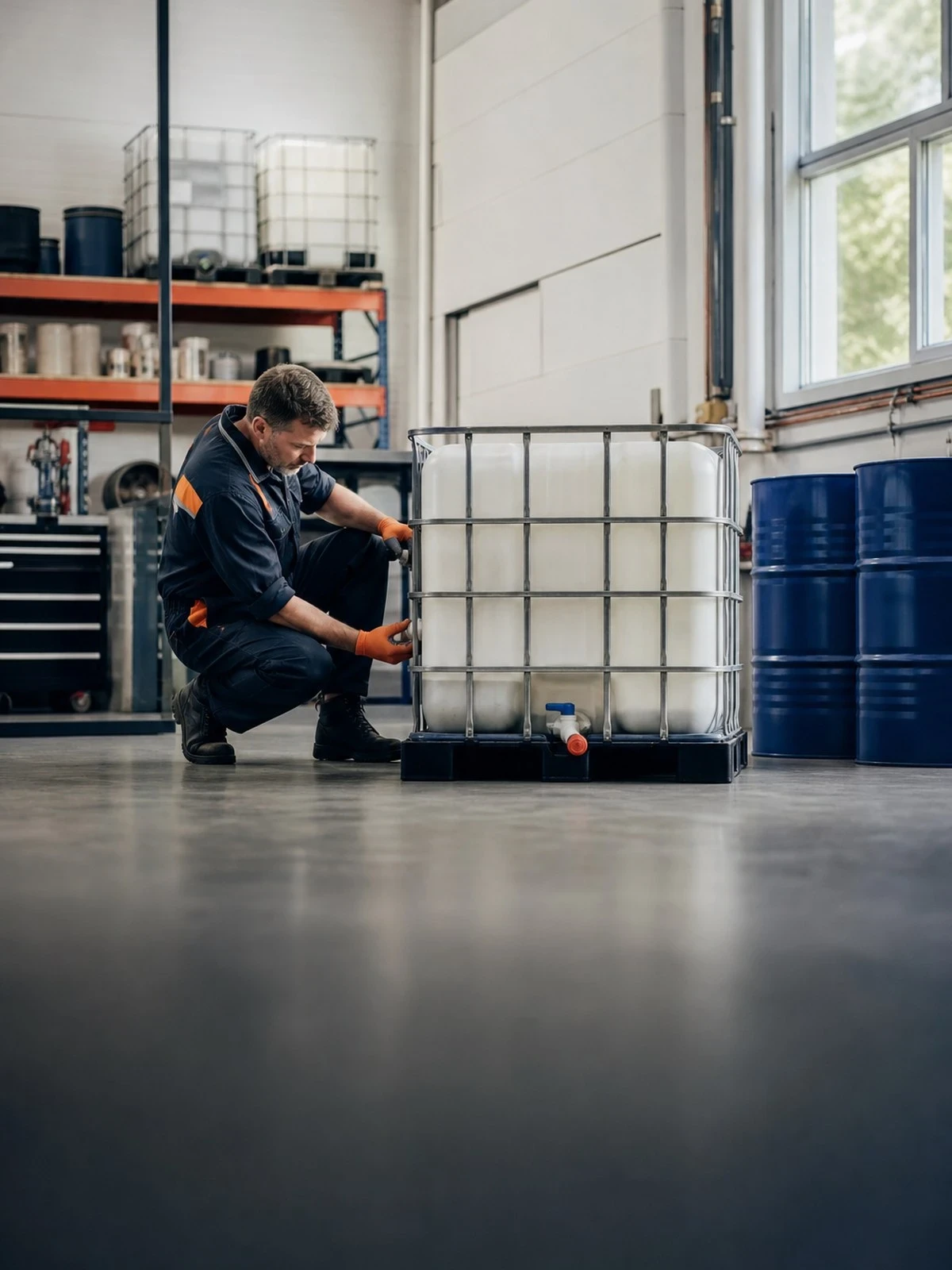 Environmental damage insurance
 Compare
 Get covered
Why arrange it through Finass Verzekert?
We look at the terms as well as the premium, and stay your point of contact when there is a claim.
Independent
We are not tied to one insurer and compare on the basis of an objective analysis of several companies.
One fixed adviser
You call or email someone who knows your file. No menu options, no changing call centres.
Switching without hassle
We cancel your old policy and align the start date, so you are never a day without cover.
Help with claims
We report the claim and monitor how it is handled. In urgent cases you can reach us on the emergency line.
What to look out for
Four points that, when working at a client's site, make the difference between cover and paying yourself.
The excavation notification is a condition of cover
For mechanical excavation you are obliged under the WIBON to submit an excavation notification and to have the cable and pipeline information available on site. Insurers adopt this as a clause. If you dig without a current notification or outside the stated duty-of-care requirements, the insurer can refuse cover, even if you could never have seen the pipe.
Asbestos is almost always separately excluded
If you damage asbestos-containing material while demolishing, working on a roof or making a penetration, a clean-up under strict rules follows. Asbestos appears on virtually every environmental policy as an exclusion or under a separate, limited section. If you work on existing buildings dating from before 1994, have this assessed expressly rather than relying on it.
What was already there at the client's site
What is insured is the contamination you cause, not the contamination you find. If you disturb an old pollution and your work spreads it, argument about attribution follows. Record the situation before you start: photographs, the client's soil report and the drawing of the underground infrastructure.
What falls outside the cover
Outside the cover are redoing your own work, fines and penalty payments and damage caused by deliberate breach of requirements or permits. Working without the required certification or outside the permitted method is an independent ground for exclusion, quite apart from the intent provision of Article 7:952 of the Dutch Civil Code.
What does your premium depend on?
- Nature of the work: digging, drilling, demolition, tank work or installation
- Turnover and number of projects: the usual basis for work carried out on site
- Use of subcontractors: and whether they can show environmental cover of their own
- Working on existing buildings: increases the chance of asbestos and old pipework
- Certification and working protocols. BRL certification and excavation protocols count
- Sum insured per event: matched to the size of the projects
Insurers weigh these details differently. That is where your saving is.
What is covered
| Situation | AVB | Environmental damage to third parties |
|---|---|---|
| Spilling while refuelling the excavator on your client's yard | No | Yes |
| Refrigerant released while dismantling a cooling installation | No | Yes |
| Flushing water containing cleaning agent disappearing into the client's street drain | No | Yes |
| The drilled-through fuel pipe itself, as distinct from the soil around it | Yes | No |
| A subcontractor hitting an underground tank on your project | Provided that | Provided that |
| Contaminated ground on your own wash bay where you hose down the machines | No | No |
The property damage and the soil damage from the same incident run through two policies, and the soil is usually the more expensive of the two.
Frequently asked questions
This is what people ask us most.
I drill into a pipe at a client's site. Which policy pays?
Damage to the pipe itself is property damage and falls in principle under your public and employers' liability insurance (AVB), provided no care, custody and control exclusion applies. Clearing the oil or fuel that enters the soil as a result is environmental damage and falls under the environmental policy with a section for work at third-party sites. Without that section you bear the clean-up costs yourself, and those are the most expensive part.
Are my subcontractors included?
Only if the policy says so. The client can approach you under Article 6:171 of the Dutch Civil Code for the mistakes of a subcontractor carrying out your work, so you run a risk in any event. Arrange either for subcontractors to be named as insured, or ask for their policy schedule and certificate of insurance before they come on site. Set that out in the subcontract.
Does this cover also apply on my own business site?
No. The section for work at third-party sites relates to other people's locations. Contamination on your own site or rented premises belongs to separate cover. That is described on the page about environmental liability on your own site. Many businesses need both, because storage on their own yard and work at clients are two different risks.
What should I do immediately after an incident?
Stop the work, limit the spread and report it to the client, the authorities and your insurer. Article 7:941 of the Dutch Civil Code obliges you to notify and to co-operate. The duty to mitigate the loss obliges you to limit the damage. Do not admit liability to the client, and have the extent established by a loss adjuster before any soil is removed.
Every situation is different. For these situations we have a separate page.
- Compare environmental damage insuranceThe main page
- Environmental damage insurance for a VvE (Dutch owners' association) through Avéro Achmea
- Environmental damage in propertyHistorical contamination, tenants, baseline survey
- Environmental damage: soil contamination and clean-up costsSoil, firefighting water, clean-up
- Environmental damage insurance for real estateClean-up, your own site, third-party site